
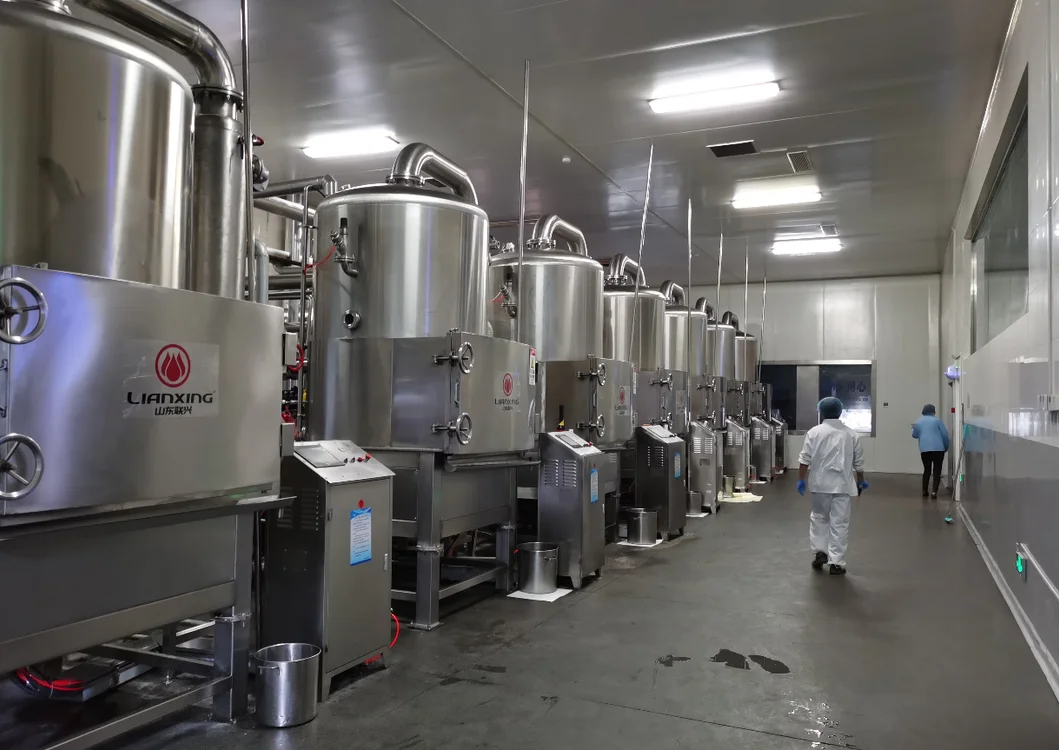
Malaysian Seafood Giant: Introduces a 200kg Industrial Vacuum Low-Temperature Frying System, Breaking Through the Bottlenecks of High Oil Rancidity and Protein Hardening in Seafood Crisps
1. Client Background & Challenge (Background & Challenge)
Client Background:
A well-known Malaysian aquaculture and deep-processing seafood enterprise, mainly engaged in high-value-added marine leisure snacks such as squid strips, peeled shrimp, small yellow croaker, and fish bone crisps.
Pain Points of the Seafood Processing Industry:
Protein denaturation, hardening, and dryness: Seafood (high protein, high moisture) under traditional high-temperature frying is highly prone to severe contraction of muscle fibers, causing the meat to become shriveled, hardened, and dry in texture. Oil is highly prone to oxidative rancidity with intensified fishy odor: The fats in seafood have a high degree of unsaturation and are extremely sensitive at high temperatures, easily accelerating the deterioration of frying oil and producing a strong fishy smell.
High oil content and short shelf life: Under the tropical hot and humid climate, seafood products with high oil content are highly prone to oxidative spoilage, severely restricting export and cross-border supply chain expansion.
2. Xinlianxing's Customized Solution (The Solution)
Xinlianxing tailor-deployed 1 unit of the LXZK-1200 (200kg class/1200 model) industrial vacuum low-temperature frying system for the Malaysian client.
Gentle negative-pressure dehydration process for aquatic products:
It adopts a high negative-pressure system with an ultimate vacuum degree of -0.098 MPa, significantly lowering the boiling points of oil and water. Rapid sublimation of water is completed under low temperature and negative pressure, thoroughly avoiding the destruction and hardening of seafood protein barriers caused by high temperature.
Seafood-dedicated fully automatic continuous fine filtration and centrifugal de-oiling:
In response to the problems of seafood frying being prone to crumbs and oil being prone to deterioration, it is equipped with a fully automatic continuous filtration oil storage tank and a 0~300 r/min variable-frequency centrifugal de-oiling system, which rapidly spins off surface oil the moment the product leaves the tank, ensuring a low oil content in the finished product.
Salt-resistant, anti-corrosion, and high-hygiene-grade structure:
The entire machine is made of thickened SUS304 food-grade stainless steel, with anti-corrosion reinforcement for the high-salinity, highly corrosive environment of seafood materials, leaving no hygiene dead corners and making cleaning convenient.
3. Quantified ROI & Impact (Quantified ROI & Impact)
⚡ A leap in freshness retention and taste: Ultra-high free amino acid retention rate:
Gentle low-temperature dehydration perfectly locks in the seafood's original free amino acids and natural marine umami, eliminating the fishy odor and charring of traditional high-temperature frying.
Ultimate crispness with plump texture:
Finished products such as squid strips and shrimp are upright and plump, offering a texture of "high crispness, no dryness, low residual oil."
Dual optimization of capacity and consumable costs:
Efficient throughput of 140~180kg per batch: It meets the large-scale production needs of seafood materials from raw material processing and quick freezing to continuous frying.
Oil service life extended by 40%+:
The continuous inline fine filtration system effectively removes seafood protein particles, delays the rise in oil acid value, and greatly reduces frying oil replacement costs and waste oil expenses.
Breaking into Southeast Asia and export access:
The extremely low oil content and residual moisture of the finished product greatly extend the product's oxidative shelf life, successfully entering high-end supermarkets in Southeast Asia and halal export markets in the Middle East.
4. Client Endorsement (Client Endorsement)
"The processing of seafood materials imposes extremely stringent requirements on temperature control and oil management. Squid and fish crisps fried with traditional equipment are either too hard and dry, or develop a fishy smell within two or three days due to oil oxidation. The 200kg vacuum low-temperature frying equipment provided by Xinlianxing thoroughly solved these pain points. Its centrifugal de-oiling and continuous oil filtration systems perform exceptionally well, not only keeping our seafood crisps with a pure natural umami and extremely low oil content, but also helping us greatly reduce the factory's oil costs. This is the most core production guarantee for us to expand into the overseas seafood snack market."
—— Malaysian Food Operations & Technical Director